
Hand Burns: Treatment & Remedies
Call (817) 382-6789 to have this looked at, or book online with Dr. Knight.
Hand burns are painful and often debilitating injuries. Your hands are essential for everyday tasks, from driving to typing, so any injury to this body part can impact your quality of life. Dallas is home to The Hand and Wrist Institute, where you can access highly specialized healthcare services for your hands. Learn more about hand burns, treatment options, and recovery times so you know what to expect if you or someone you know is suffering from this type of injury.
Understanding Burn Injuries
Burns are tissue injuries from contact with extreme temperatures, chemicals, sunlight, electricity, or radiation. Burns can kill multiple layers of skin cells. Severe burns may even destroy the skin completely, damaging the muscles, tendons, and nerves beneath.
The intricate anatomy of the hand makes these burns particularly complex. The hands have minimal tissue and lots of blood vessels. This makes them especially susceptible to swelling and contractures. Without proper treatment, hand burns can result in chronic pain, loss of mobility, and permanent scarring.
Early interventions are essential for hand burns. You should get emergency care if you’ve suffered a serious burn. You may need to go to the emergency room for your initial treatment. Schedule an appointment with a specialist as soon as possible to draft your long-term care and recovery plan.
Types and Severity of Hand Burns
The five types of burns include the following:
• Thermal burns: These burns result from exposure to extremely hot or cold temperatures.
• Chemical burns: These burns result from harmful acidic or alkaline substances that come into contact with your skin cells.
• Electrical burns: These burns occur when your hands are exposed to an electrical overload.
• Friction burns: These burns happen when something rubs against your hands with enough force to generate heat.
• Radiation burns: These burns result from radiation exposure and damage.
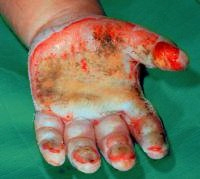
The traditional method of specifying the degree of the burn is outdated. Instead, specialists classify burns by the depth of the injury.
Superficial Burns
Superficial burns are minor. Previously referred to as first-degree burns, these injuries only affect the top layer of skin. You can treat a superficial burn safely at home.
Partial-Thickness Burns
Partial-thickness burns are essentially second-degree burns. They damage the top two layers of skin. The skin may blister and swell, and you should seek professional treatment.
Full-Thickness Burns
Full-thickness burns are the most severe. These are also known as third-degree burns. Full-thickness burns penetrate all layers of the skin and may extend to the fatty tissue beneath. Though these are the worst burns, they’re often less painful at first because they can destroy the nerve endings that cause discomfort.
Comprehensive Hand Burn Treatment Options in Dallas, Texas
Dallas is home to several top-tier hospitals that can provide emergency burn treatment. The Hand and Wrist Institute can then provide long-term support throughout your recovery. Severe burns often require treatment from a multidisciplinary team including wound care specialists, surgeons, and occupational therapists.
Emergency burn care may include the following:
- Wound cleaning and debridement
- Antibiotic ointment
- Dressings
- Tetanus shots
- Intravenous fluids
- Pain medication
Deep burns may require surgical remedies, specialized wound care, and physical therapy. At The Hand and Wrist Institute, we can explore options such as skin grafts, reconstructive surgery, and wound therapy. We’ll also recommend long-term physical therapies to help you retain strength and range of motion.
What To Do If You’ve Burned Your Hand
It’s important to respond promptly to a hand burn. Knowing what to do in the immediate aftermath can significantly improve your outcome. Here are some tips to increase your chances of recovery.
Stop the Burn
Immediately remove your hand from the source of the burn. Quickly remove any rings or other jewelry before swelling sets in. If you’ve suffered a chemical burn, rinse the affected area continuously to remove the substance. To prevent further damage from a thermal burn, run cool water over your hand for 10 to 15 minutes. Do not use extremely cold water or ice. This can cause further damage.
Protect the Area
Gently cover the burn with a clean, dry cloth or sterile gauze. This helps protect the injury from infection. Do not use oil or butter. These home remedies can make the injury worse.
Raise the Burn
Raise the injured area above heart level to minimize swelling.
Seek Medical Attention
Seek immediate medical attention if the burn is severe. Blisters, charred skin, or white skin all require emergency attention. Hand burns are more delicate than burns to other parts of the body, so you may want to see a doctor even if the burn is minor.
Burn Rehabilitation and Recovery
Rehabilitation is crucial for hand burns. Burn recovery for severe burns can begin as soon as 24 to 48 hours after the injury, depending on its severity. You’ll likely undergo physical and occupational therapy that includes prescribed exercises, hand massages, and pressure garments to minimize scarring, prevent joint stiffness, and restore your fine motor skills.
Burns can be traumatic. Don’t neglect your mental health during your recovery. Professional counselling can help you cope with post-traumatic stress disorder, body-image anxiety, pain, and depression.
A superficial burn may heal within a week, while partial-thickness burns can heal in two to three weeks. Full-thickness burns require skin grafts. With a graft, the burn may heal sufficiently to begin mobilization in two to three weeks, but the full healing process can take several months.
Visit The Hand and Wrist Institute
If you’re suffering from a hand burn in Dallas, our team at The Hand and Wrist Institute can help. We offer comprehensive treatment plans that include surgical remedies, skin grafts, and rehabilitation. Dr. Knight has over 25 years of experience treating hand and wrist injuries. Contact us to schedule your appointment today and start your path to recovery from a hand burn.
Frequently Asked Questions:
Can I use toothpaste to soothe a burn?
This is an old wives’ tale; putting toothpaste on a burn has no discernible clinical benefit. Depending on the type of toothpaste, certain additives and flavorings, such as menthol, can irritate the already tender and irritated skin or even cause chemical burns if the concentration is high enough and if the skin is very damaged.
Can I put Vaseline on my burn?
Vaseline, along with butter and other cooking shortenings, are very bad things to put on a burn because they conduct heat well, and so if the burn continues to create heat in your tissue, these substances can make it harder for the heat in the burn to subside and can also infiltrate other tissues and increase the area of the burn.
How long do burns take to heal?
The recovery and healing time of burns depends upon the severity of the individual burn. A first-degree burn may take a few days to a couple of weeks, depending on the size and the position of the burn, while second-degree or partial-thickness burns can take three to four weeks. Third-degree burns, the worst of the burns, do not heal in the same way as lesser burns, as they involve the skin and layers of muscle and tissue beneath the skin. Full-thickness burns leave a permanent layer of scar tissue across the burned area, and unless extensive skin grafting is performed during and after the recovery period, unsightly scars will be unavoidable.
How do I deal with blistering from a burn?
Many burns will lead to blistering on the skin, and while it is tempting to puncture the blisters and release the fluid, it is important to avoid this urge for as long as possible. The fluid in the blister serves a purpose: to protect the new skin that grows underneath it over the burn, so popping the blister leads to the possible introduction of bacteria to the injury, increasing the chance of infection.